

Blog
Beyond Texture: Multi-Sensory HPL & Solid Surface Experiences for Commercial Washrooms
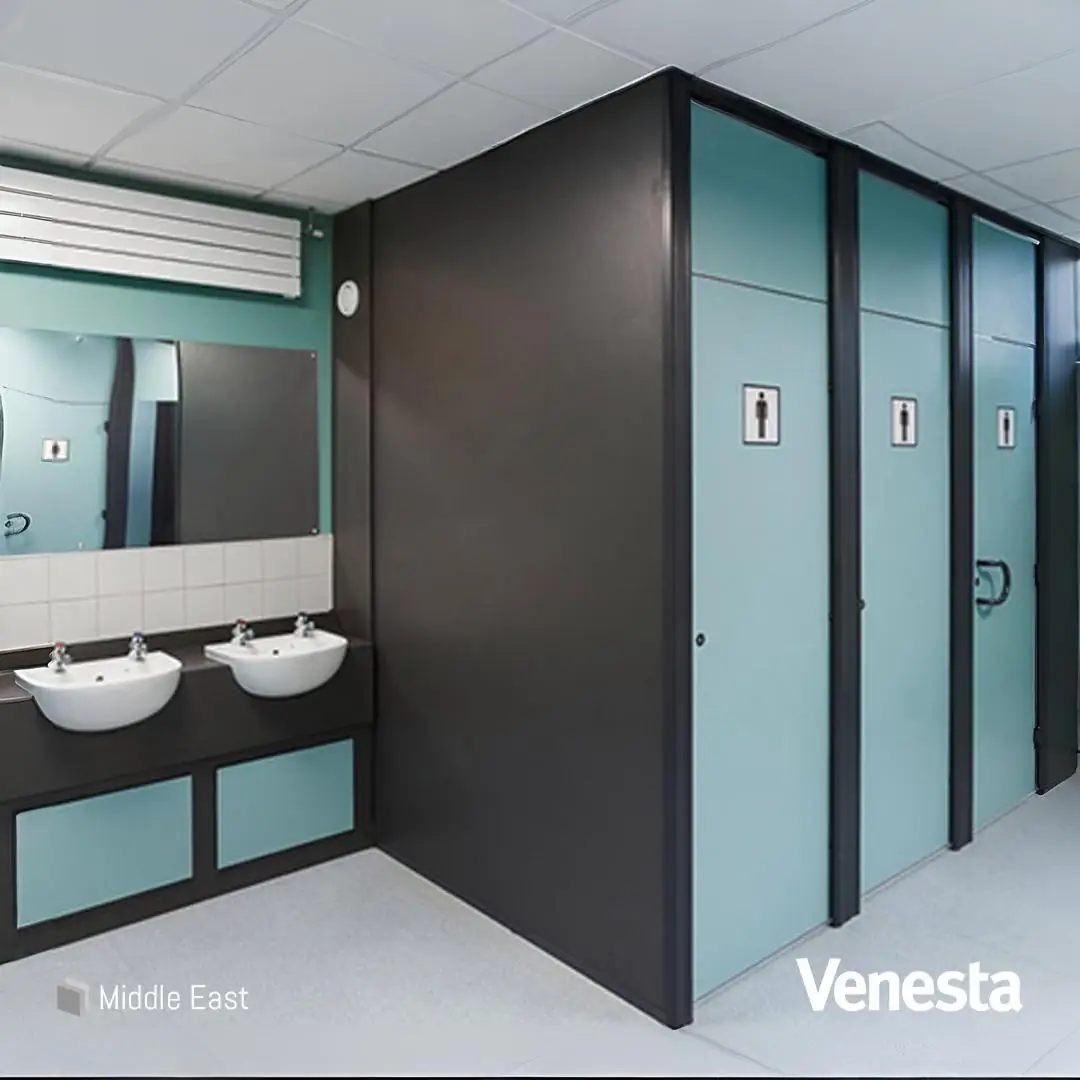
Commercial washroom design has entered a new phase, one where surfaces aren’t chosen solely for performance, but for how they feel, look, and influence experience. In this shift toward multi-sensory spaces, designers are reconsidering the role of materials like high-pressure laminate sheets and solid surface for their durability, but also for how they engage sight, touch, and even sound.
As expectations rise across sectors like hospitality, transport, and corporate architecture, the washroom has become a brand extension, not just a necessity. The spaces must function, but they must also feel intuitive, intentional, and refined.
Why Sensory Design Matters in Commercial Washrooms
In high-footfall environments, the emotional impact of materials can’t be ignored. The surfaces a user sees and touches immediately communicate cues about cleanliness, quality, and care. Whether it’s a softly textured cubicle door in a boutique hotel or a seamless vanity counter in a corporate HQ, these interactions shape perception before a word is spoken.
Designers are increasingly focused on crafting emotional resonance in these typically overlooked spaces. In airports, for instance, calm visual tones and subtle tactile contrast can offset the stress of travel. In healthcare, cleanable, calming textures support both hygiene and patient well-being. And in luxury hotels or HQ spaces, material storytelling becomes an expression of brand values—comfort, quality, minimalism, or boldness.
From Flat to Felt: Tactile Innovation in HPL
Gone are the days when laminate was flat, glossy, and purely functional. Today’s high-pressure laminate sheets are rich with tactile depth — matte, embossed, and fingerprint-resistant options designed specifically for sensory response.
Brushed woodgrains provide a natural, organic feel. Linen-like finishes evoke warmth and softness, even in hard-wearing panels. Soft-touch matte laminates reduce light glare while improving smudge resistance, critical in high-traffic settings.
These surface textures are increasingly used across full-height cubicles, integrated panel systems, and washroom vanities, combining function with a heightened user experience. When a space feels good to the touch, it leaves a more lasting impression.
The Role of Solid Surface in Multi-Sensory Design
Solid surface materials bring their own sensory language to the washroom environment. With their cool-to-touch smoothness and seamless edges, they deliver both visual elegance and tactile clarity. The material’s monolithic feel, especially when paired with integrated sinks or curved forms, supports a perception of hygiene and order.
Non-porous and easy to maintain, solid surface vanities not only meet rigorous performance standards but also contribute to a cohesive sensory atmosphere. The ability to mould, curve, and colour-match these surfaces opens up possibilities for custom design language, especially in high-end commercial spaces where design consistency is paramount.
Layering the Senses: Combining Materials for Impact
Sophisticated washrooms layer multiple materials to create contrast and flow. A matte-finish high-pressure laminate sheet set against a mirrored panel. A cool, solid surface basin framed by warm wood tones. Brushed metal trims or soft lighting washing over grainy textures, each pairing is a sensory decision.
These contrasts help guide movement, create focal points, and communicate emotional cues: calmness, cleanliness, energy, or privacy. Colour theory plays a role, too, blues and greens for calm, darker neutrals for executive tone, warmer woods for hospitality and comfort.
Rather than isolating material roles, today’s design language calls for interplay, materials that speak to and complement each other in a shared architectural narrative.
Future Trends: What’s Next in Sensory Washroom Design
As washroom environments continue to evolve, several clear material trends are emerging:
- Biophilic influences in laminates, textures inspired by wood, stone, or fabric
- A shift toward sustainable tactile surfaces, with low-VOC, recycled-content options
- Custom embossing or finishes aligned to brand identity, especially in boutique or luxury projects
Material design is now a storytelling tool. The more responsive and customizable a surface is, the better it supports the experience-driven spaces architects are asked to create.
Washroom materials are no longer neutral backdrops. They’re active agents in the user experience, helping a space feel calmer, cleaner, or more luxurious within seconds. Whether through a textured high-pressure laminate sheet, a seamless solid surface trough, or the contrast between matte and gloss, the future of commercial washroom design is deeply sensory and deliberately so.
With decades of expertise in commercial washroom innovation, Venesta has been at the forefront of material evolution, integrating tactile, hygienic, and sustainable finishes that redefine how users experience built spaces.
At Venesta, we partner with designers to bring these spaces to life. Our HPL and solid surface ranges are crafted for sensory-first washroom design, combining durability, hygiene, and texture in equal measure. From subtle grain finishes to seamless vanity integrations, every surface is engineered to elevate both user comfort and brand perception across commercial environments.