

Blog
How to Ensure Safety Standards Are Met During Glass Partition Installation
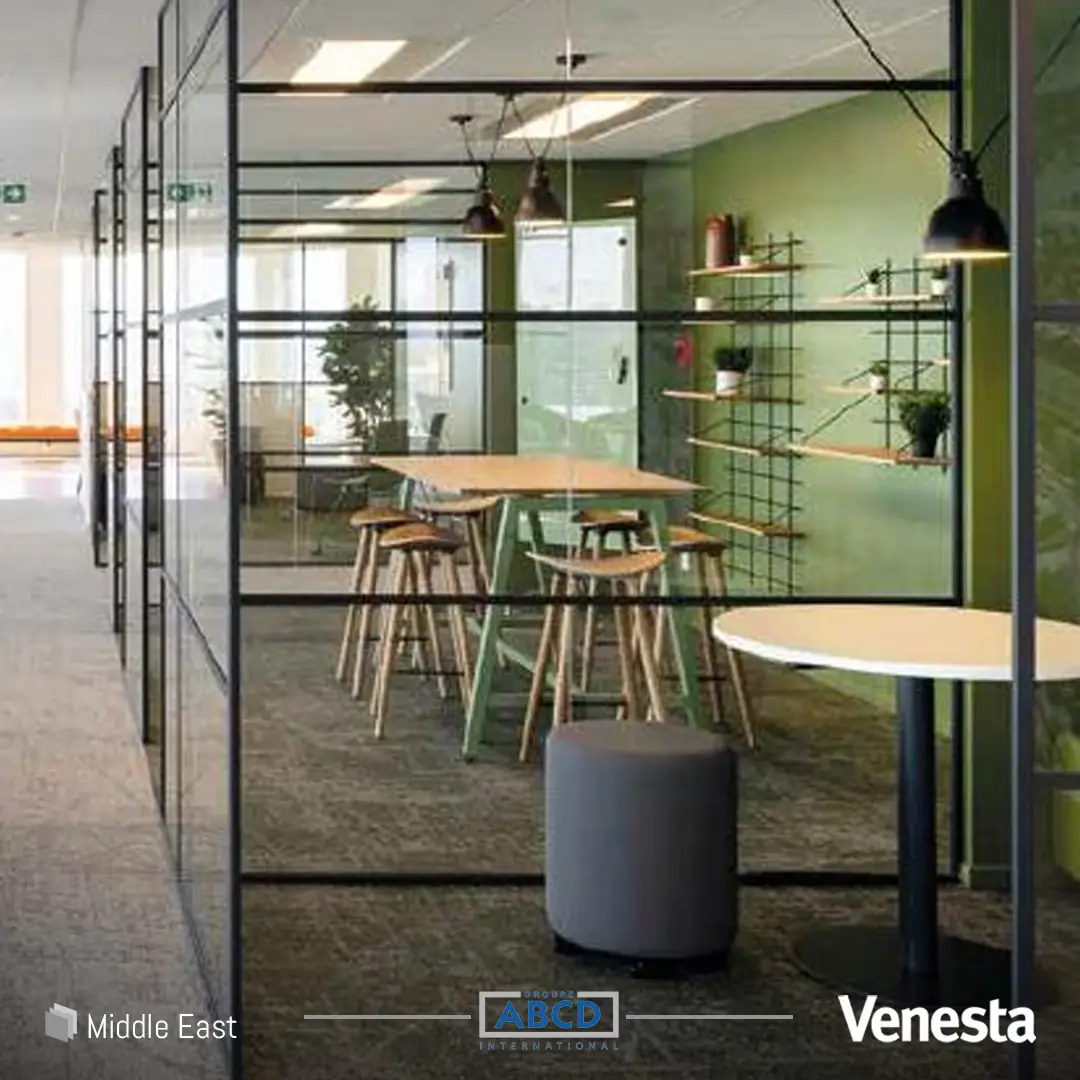
Glass partitions have become an essential element of contemporary workplaces in Dubai — sleek, open, and full of light. But their elegance comes with responsibility. Every installation must comply with Dubai Municipality (DM) and UAE Fire & Life Safety Code requirements, ensuring both occupant safety and structural integrity.
Unlike decorative glass, office glass partitions are classified as structural and safety glazing. That means they must meet rigorous standards for impact resistance, edge protection, and load-bearing performance. Failing to comply can lead to injuries, failed inspections, and costly replacements.
Understand the UAE’s Safety & Compliance Framework
In Dubai, the following authorities and standards govern glass installation:
- Dubai Municipality (DM): Approves materials, structural drawings, and method statements before installation.
- UAE Fire & Life Safety Code of Practice (2018): Specifies fire-rated glazing and safety requirements for workplaces and public buildings.
- BS EN 12600 & BS 6206: Define impact resistance classifications for safety glass used in doors, partitions, and barriers.
- ASTM C1048 & C1172: Outline fabrication and performance standards for tempered and laminated safety glass.
These regulations ensure that glass partitions in Dubai can withstand day-to-day impacts, thermal stress, and wind pressure in high-rise environments.
Choose Certified Safety Glass Materials
The foundation of safe installation begins with the right glass type and thickness.
Tempered (Toughened) Glass
- 4-5 times stronger than standard annealed glass.
- Breaks into small, blunt fragments — minimizing injury.
- Commonly used in frameless partitions, doors, and full-height systems.
- Recommended thickness: 10 mm to 12 mm for office partitions.
Laminated Glass
- Consists of two or more sheets bonded by a PVB or EVA interlayer.
- Holds together even after breakage — ideal for areas with public foot traffic or elevated installations.
- Often used for meeting rooms, atriums, and acoustic partitions.
Always insist on factory-issued test certificates showing compliance with BS EN 12600 or ASTM C1048 standards. This ensures your chosen office glass partition in Dubai meets international impact resistance requirements.
Ensure Structural Support and Fixing Integrity
A perfectly specified glass sheet can still fail if the framing and fixings are weak. Dubai’s construction guidelines require:
- Aluminium or stainless-steel frames rated for both static and dynamic loads.
- Secure anchoring using mechanical fasteners or structural silicone for frameless systems.
- Gasket and edge protection using EPDM or neoprene to prevent stress cracks.
- Expansion joints (2–4 mm) to accommodate building movement and thermal expansion.
The Dubai Municipality Technical Guidelines recommend that all fixing details be approved by a structural engineer before installation.
Follow Safe On-Site Installation Practices
Safety standards don’t end at the workshop — they extend to site execution. Installers must follow DM’s General Construction Safety Code, which includes:
- Mandatory use of PPE and mechanical lifters when handling glass above 2.1 m height.
- Temporary bracing during installation to prevent toppling before sealing.
- Anti-slip pads and corner protection to prevent chipping.
Installation only by certified technicians trained for MEWP (Mobile Elevated Work Platforms) or scaffolding, if required.
Before the final handover, perform a visual inspection for alignment, edge chips, scratches, or air gaps, as these can lead to long-term structural weakness.
Verify Testing and Quality Control
After installation, ensure your glass partitions undergo testing for performance and compliance. Leading glass partitions contractors in Dubai typically conduct:
- Impact Resistance Tests (BS EN 12600) – Simulating accidental human impact.
- Deflection and Stability Checks – Measuring bowing and edge stress.
- Acoustic and Thermal Performance Tests – Especially important for double-glazed or laminated systems.
Documenting these results provides proof of compliance during DM inspections and insurance audits.
Don’t Overlook Fire and Emergency Safety
Certain commercial zones, such as corridors, meeting rooms, and exits, require fire-rated glass partitions tested to EN 13501-2 or UL 10C. These partitions maintain integrity (E), insulation (I), and radiation control (W) during fire exposure.
Additionally, Dubai Civil Defense mandates that fire-rated assemblies must come from tested systems, meaning glass, frame, sealant, and accessories must all be certified together, not mixed from different brands.
Work with Certified Partition Specialists
Compliance depends as much on expertise as on materials. Always partner with an experienced office glass partition company in Dubai that can:
- Provide design approval and shop drawings for DM submission.
- Coordinate with MEP and fit-out contractors to prevent service clashes.
- Supply inspection reports and warranties from recognized manufacturers (ABCD, Dorma, Kwik Wall, or similar).
- Offer post-installation maintenance guidance and safety checks.
Hiring certified professionals ensures your system meets both UAE code and international best practice from installation to long-term maintenance.
Transparent Design, Tested Safety
Glass partitions enhance the beauty and openness of modern workplaces, but safety must always come first. From material certification to structural anchoring and post-installation testing, every step matters.
Partnering with Venesta, a trusted name in modular washroom and partition systems, ensures that your workspace reflects both design precision and regulatory compliance. With decades of expertise and a strong presence in the UAE, Venesta delivers glass partition solutions that combine aesthetic appeal with engineered safety, helping offices with glass partitions in Dubai achieve the perfect balance between transparency and protection.
Choosing a specialist like Venesta means your installation not only meets local safety codes but also upholds the international standards that define lasting strength and clarity.
FAQs
- What is the minimum glass thickness for office partitions?
Typically 10–12 mm tempered glass, depending on height and system design. For laminated systems, 6+6 mm is common.
- Do glass partitions in Dubai need approval?
Yes. The Dubai Municipality and Civil Defense must approve shop drawings and safety glazing details before installation.
- How do I confirm my glass is safety-compliant?
Request certificates showing BS EN 12600 or ASTM C1048 testing, plus manufacturer warranties and batch numbers.
- Can laminated glass be used instead of tempered?
Yes. Laminated glass provides additional safety and acoustic benefits, but load-bearing calculations must be adjusted accordingly.
- Who ensures compliance after installation?
A third-party consultant or DM inspector typically verifies safety compliance before occupancy approval or fit-out completion.